
Medición por equipo
Equipo de medición en el tablero eléctrico, con un punto de medición por carga relevante y lectura continua.
Smart energy rails
Una tienda recibe un solo recibo de luz por todo lo que consume. Glow instala medición en el tablero eléctrico y separa cuánto gasta el aire acondicionado, la refrigeración, la iluminación y los cargadores de vehículos eléctricos.
Con esa medición se identifica qué generó el costo del mes, cuánto costó y qué acción lo reduce. Empezamos por los cargadores eléctricos, el equipo del que hoy no existe información separada.
Glow es una empresa de medición y gestión de energía para cadenas de tiendas. El servicio tiene tres capas sobre la misma instalación.
Equipo de medición en el tablero eléctrico, con un punto de medición por carga relevante y lectura continua.
Modelos entrenados con la operación medida de cada tienda y contrastados contra su recibo. De ahí salen la atribución del pico, la detección de anomalías y el valor en dinero de cada acción.
Integración con los controladores de aire acondicionado y refrigeración ya instalados y con el sistema de carga. Empieza con aprobación del cliente y avanza hacia operación autónoma.
Cada cadena empieza por sus cargadores de vehículos eléctricos, el único equipo del sitio que además de consumir energía la vende, y suma los demás equipos cuando lo decide.
Una tienda de cadena puede gastar cientos de miles de dólares al año en electricidad y recibir un solo recibo por todo. Hay tres motivos por los que ese recibo no explica el gasto.
Todos los equipos consumen detrás del mismo medidor y el recibo llega con un total, no con un desglose. Sin medición por equipo no hay forma de saber cuál generó el costo.
La tarifa comercial de media tensión cobra dos conceptos a la vez: la energía consumida y la potencia máxima. La potencia máxima se determina con el intervalo de 15 minutos de mayor demanda, y ese solo intervalo fija el cargo de todo el mes.
El factor de potencia puede sumar hasta 3.5% de la factura. CFE publica además 17 listas de precios distintas por región y las actualiza cada mes, así que el mismo consumo cuesta diferente según dónde y cuándo ocurrió.
Fuente: CFE, tarifa comercial de media tensión horaria (GDMTH): cargos por energía, capacidad y distribución, fórmula de factor de potencia y precios mensuales por división.
El servicio opera en cuatro pasos. Cada paso depende del anterior.
Se asigna un punto de medición a cada equipo relevante. La medición es continua desde el primer día, porque el consumo que no se midió en un mes no se puede reconstruir después.
Con el historial de cada tienda se entrenan modelos de cómo opera ese sitio. Contra esa referencia se detecta lo que se sale de lo esperado y se atribuye el pico del mes al equipo que lo formó.
El sistema entrega una acción concreta y su valor en dinero, calculado con la tarifa vigente de esa región y ese mes. Por ejemplo, si una flotilla carga entre las 19 y las 21 horas y ahí se forma el pico, la acción es mover esa carga a un horario de menor demanda.
Al principio cada acción se aplica con aprobación de una persona del cliente. Conforme se acumula historial verificado, el sistema ejecuta por su cuenta las acciones que ya demostraron su resultado. La ejecución autónoma es una etapa del mismo sistema, no un producto aparte.
Estas son las piezas que componen el sistema y cómo se mueven los datos entre ellas.
El equipo de medición se instala en el tablero eléctrico, sobre los circuitos existentes y sin reemplazar los equipos de la tienda. Un sitio pequeño se resuelve con un punto de medición y uno grande llega a diez, según cuántos circuitos relevantes tenga.
Cada punto entrega una serie de consumo continua, que se ingiere y se conserva con su intervalo original. El análisis se alinea a los intervalos de 15 minutos que usa la tarifa para determinar la demanda facturable, de modo que lo medido sea comparable con lo facturado.
La plataforma ingiere los recibos de electricidad y los descompone en sus conceptos: energía por periodo horario, cargo por capacidad, cargo por distribución, factor de potencia y la lista de precios regional de ese mes. Con las dos fuentes en la misma estructura, el consumo medido se concilia contra el facturado, periodo por periodo. Esa conciliación es la que permite explicar el recibo equipo por equipo.
No hay un modelo único para toda la cadena. Cada tienda tiene su horario, su estacionalidad y su mezcla de equipos, así que los modelos se entrenan con los datos de ese sitio y se reentrenan conforme llegan nuevas mediciones y nuevos recibos. Sobre esa línea base se identifican consumos fuera de patrón y se atribuye la demanda máxima a los equipos que operaban en el intervalo que la determinó.
La plataforma se conecta con los controladores de aire acondicionado y refrigeración ya instalados para leer su estado y, cuando la acción está aprobada, aplicar el cambio sobre ellos. Este tipo de integración ya fue implementada por el equipo fundador, antes de fundar Glow, en los controladores que operan en el 70% de las tiendas de una de las cadenas de retail más grandes de México.
Los cargadores se incorporan como un equipo más: su consumo se mide junto con el resto y sus sesiones se registran como datos de operación. La interoperabilidad se resuelve con OCPI, el protocolo internacional de intercambio entre operadores de carga y proveedores de servicio de movilidad. Eso permite trabajar con la infraestructura ya instalada y habilitar roaming, de modo que conductores de aplicaciones asociadas encuentren y usen los cargadores de la tienda.
Roland Ferwerda, CEO de GreenBee, socio de producto de Glow, preside el organismo internacional detrás de OCPI.
Los resultados salen por tablero web, correo y WhatsApp, con la misma estructura en cada canal: qué causó el costo, cuánto costó, qué acción se recomienda y cuánto vale. El canal se elige según quién tiene que actuar.
Cada recomendación ejecutada se contrasta contra el recibo del periodo siguiente. Si el ahorro se materializó, queda registrado como resultado verificado; si no, la diferencia entra al modelo como corrección. Lo aprendido en una tienda queda disponible para la siguiente.
Glow trabaja con operadores de varias tiendas en tarifa comercial de media tensión, donde el mismo problema se repite sitio por sitio: un recibo por tienda, sin detalle por equipo.
Refrigeración intensiva y horarios extendidos, donde el pico se forma por la coincidencia de varios equipos.
Superficies grandes con climatización e iluminación dominantes y estacionamiento propio, que es donde se está instalando la carga eléctrica.
Muchos sitios pequeños y homogéneos, donde lo aprendido en una tienda se replica al resto de la red.
Sitios donde la carga de vehículos eléctricos ya opera o está por instalarse, normalmente a cargo de un tercero.
Vivienda ni para un local único en baja tensión sin cargos por demanda. Ahí la medición por equipo no se paga con el ahorro que genera.
La operación inicia en México. La misma estructura tarifaria y el mismo problema existen en el resto de América Latina, y ese es el alcance del proyecto.
La implementación avanza por etapas. Cada una deja instalada la infraestructura que permite la siguiente y termina con un resultado utilizable.
Se revisa el historial de recibos del sitio, se reconstruye su perfil de consumo y se hace una prueba de medición sobre un primer equipo.
Del lado del cliente: los recibos de los últimos meses y una visita al tablero eléctrico.
Resultado: dónde está concentrado el costo y qué equipos conviene medir primero.
Se instala la medición en una tienda y entra en operación la visibilidad del sistema de carga de vehículos eléctricos, con el tablero y las primeras recomendaciones.
Del lado del cliente: una tienda, una contraparte de mantenimiento y una ventana de instalación.
Resultado: consumo, costo e ingreso de la carga separados del resto del sitio.
Se integran los demás equipos de la tienda, aire acondicionado, refrigeración e iluminación, y el sistema pasa a ejecutar acciones con aprobación previa.
Del lado del cliente: qué equipos sumar y quién autoriza cada acción.
Resultado: la tienda queda instrumentada por completo y el ahorro se mide contra la línea base del piloto.
El sistema ejecuta de forma autónoma dentro de los límites definidos por la cadena y el modelo se despliega al resto de las tiendas.
Del lado del cliente: las reglas y los límites que el sistema debe respetar.
Resultado: operación energética gestionada de forma continua en toda la red.
Una vez instalada la medición, sumar aire acondicionado, refrigeración o iluminación es una decisión de configuración del cliente y no una implementación nueva.
La plataforma está en desarrollo activo. La versión en construcción entrega visibilidad del sistema de carga de vehículos eléctricos: consumo de los cargadores, costo asociado y datos de sesión. Lo siguiente es la ejecución con aprobación humana sobre aire acondicionado y refrigeración, y después la operación autónoma dentro de los límites que defina cada cliente.
Las capas de medición por equipo, procesamiento de recibos y analítica no son nuevas: son la tecnología que el equipo fundador operó a escala en retail antes de fundar Glow. Lo que Glow está construyendo sobre ellas es la integración con la carga de vehículos eléctricos.
Describimos el estado real del producto para que quede claro qué entrega hoy y qué entrega después.
Las cifras de esta sección corresponden a trabajo que el equipo fundador realizó antes de constituir Glow. No son resultados de operaciones de Glow.
Ese trabajo se realizó dentro de dos de las tres cadenas de retail más grandes de México e incluyó la integración probada con los controladores de aire acondicionado y refrigeración que operan en el 70% de las tiendas de una de ellas.
Los clientes de esos proyectos están cubiertos por acuerdos de confidencialidad vigentes, por lo que no se publican sus nombres. El alcance técnico del trabajo se puede describir en una conversación directa.
Cuatro fundadores, con experiencia previa en ciencia de datos aplicada a energía, estrategia comercial, finanzas de infraestructura y política de movilidad eléctrica.

CEO
13 años en estrategia y go to market para compañías de alto crecimiento en América Latina. Fundador respaldado por fondos de venture capital.
Perfil de Neftaly Ramírez en LinkedIn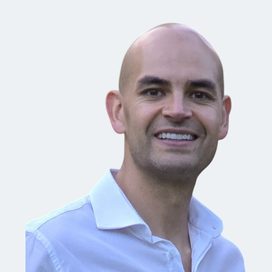
COO
13 años en finanzas corporativas para proyectos de infraestructura y energía, y levantamiento de capital en América Latina.
Perfil de Paolo De Ferari en LinkedIn
CTO
10 años en ciencia de datos y 8 en energía, con foco en medición y analítica de consumo eléctrico en retail.
Perfil de Andrés Villaseñor en LinkedIn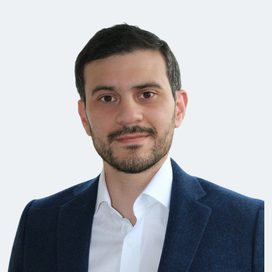
CPO
Asesor en transporte sostenible para la ONU, el gobierno británico y la Comisión Europea. Desarrollo de producto para compañías de movilidad eléctrica.
Perfil de Juan Camilo Ramírez en LinkedInCompañía holandesa con más de 20 años en energía, telecomunicaciones y diseño de sistemas de carga eléctrica en Europa y las Américas. Su CEO, Roland Ferwerda, preside el organismo internacional del protocolo OCPI. GreenBee participa con Glow como socio de producto en el diseño e integración del sistema de carga.
Las relaciones vigentes alrededor del producto, con el tipo de acuerdo de cada una. Las cartas de intención definen cómo se colaboraría; no son contratos de servicio ni relaciones de cliente.
Aplicación de movilidad con 5.7 millones de descargas.
Operador con más de 350 estacionamientos en México.
Instalador y socio EPC de Siemens.
Relación de portafolio y aceleración, con Tec de Monterrey y Green Climate Fund entre sus respaldos.
Diseño de sistemas de carga e interoperabilidad OCPI.
Las cartas de intención firmadas con socios de movilidad habilitan un alcance de más de 3 millones de conductores cuando los cargadores de una tienda se publican en roaming.
Equipo de medición en el tablero eléctrico, con un punto de medición por cada equipo que se quiera separar. Se coloca sobre los circuitos existentes, la instalación se coordina con el área de mantenimiento y no obliga a cambiar los equipos de la tienda ni el proveedor de energía.
Sí, cuando el operador o el fabricante soporta OCPI, el protocolo internacional de intercambio entre operadores de carga y aplicaciones de movilidad. Con OCPI se leen las sesiones, se expone la disponibilidad y se habilita roaming sin cambiar el hardware. Si un cargador no expone OCPI, su consumo se mide igual desde el tablero, aunque sin los datos de sesión.
No. La plataforma se conecta con los controladores que la tienda ya tiene, a través de sus interfaces de integración.
Contra el recibo. Durante el diagnóstico y el piloto se establece una línea base con el consumo medido y el historial de facturación. Cada acción ejecutada se compara después con el recibo del periodo siguiente, considerando energía, demanda máxima y factor de potencia. Si el efecto no aparece en la factura, no se contabiliza como ahorro.
Los datos de consumo, de facturación y de operación de cada sitio son del cliente. Glow los usa para prestar el servicio contratado: entrenar los modelos de esas tiendas, conciliar contra la facturación y generar las recomendaciones. Glow no publica la identidad de sus clientes. El tratamiento de los datos de quienes visitan este sitio se describe en el aviso de privacidad; los datos de operación de cada cadena se rigen por el contrato de servicio correspondiente.
La operación inicial es en México, donde aplica la tarifa comercial de media tensión de CFE. El alcance del proyecto es regional en América Latina, porque la estructura tarifaria y el problema de visibilidad se repiten en los demás mercados. Glow Mobility Technologies LLC está constituida en Delaware, Estados Unidos, desde 2024.
Con una tarifa fija por punto de medición, más una participación sobre el ingreso de la carga de vehículos eléctricos, que es el único equipo del sitio que además de consumir energía la vende. Cuando la ejecución autónoma esté disponible sobre los demás equipos, se suma una participación sobre el ahorro verificado contra la línea base. El precio se fija para mantenerse por debajo del 3% del gasto energético del sitio y de una cuarta parte del ahorro generado. Las condiciones se definen por cadena, después del diagnóstico.
El diagnóstico toma entre una y cuatro semanas y entrega una lectura medida del consumo, no una estimación. La primera verificación de ahorro ocurre con el recibo del periodo siguiente al de la primera acción aplicada.
Para hablar del producto, de una prueba en un sitio o del detalle técnico de la plataforma, se puede escribir directamente a cualquiera de los dos correos.
Domicilio social
16192 Coastal Highway, Lewes, Delaware 19958, Estados Unidos
Operación en México
Acordada 32-203, Col. San José Insurgentes, C.P. 03900, Benito Juárez, Ciudad de México
Los correos llegan directamente al equipo. No hay formulario intermedio.
Glow Mobility Technologies LLC, constituida en Delaware, Estados Unidos, en 2024, con operación en México y alcance regional en América Latina.